The One-Room Reset: How to Transform a Space in a Single Afternoon
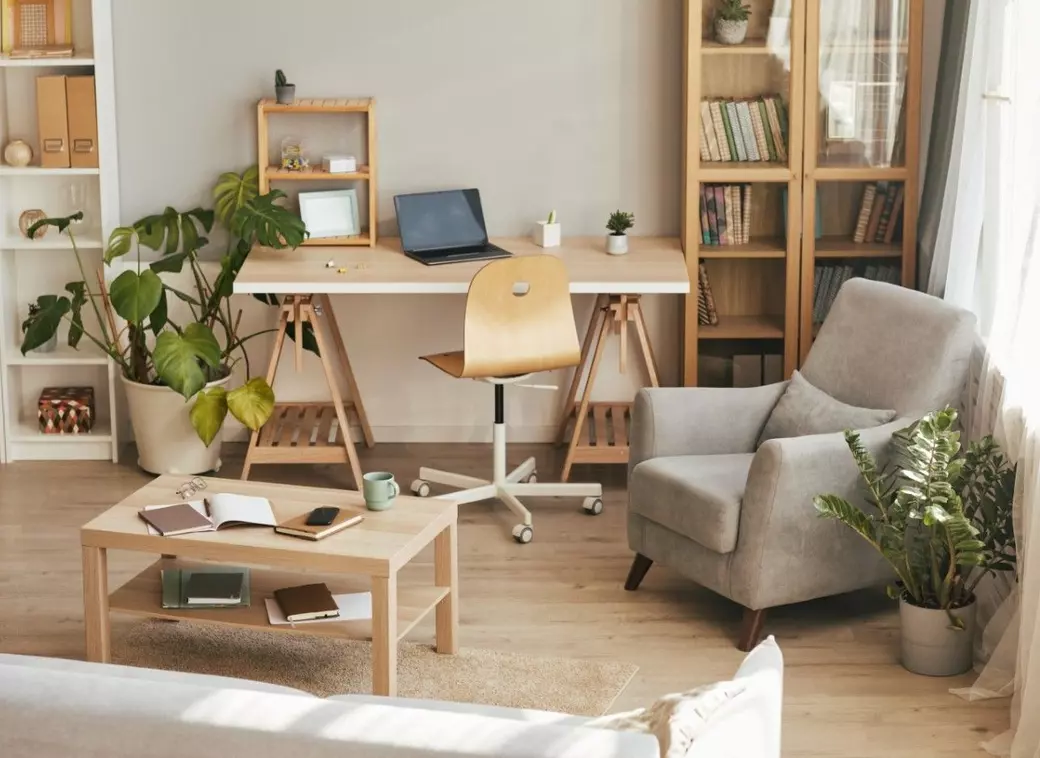
Why One Room Is Enough
When we try to tackle too much at once, we stall. Decision fatigue sets in. Motivation disappears.
But when you choose one room, you give your brain a clear boundary — and that creates confidence.
One room:
Creates visible progress
Builds energy instead of draining it
Proves that change is possible
And once one space feels better, the rest of the home suddenly feels more manageable.
If you’ve ever felt stuck before starting, it’s often tied to the mental overload of too many decisions at once — something I talk about in Decision Fatigue and Clutter: How to Make Choices Easier.
Step 1: Choose the Right Room
Start with a space that affects your daily life the most:
The kitchen
The bedroom
The living room
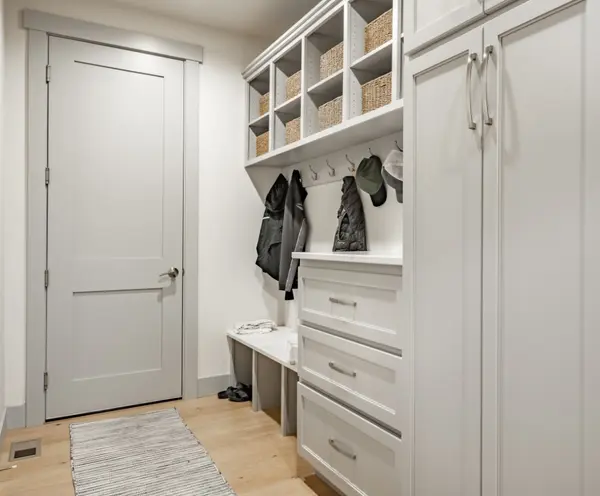
The entryway
Avoid areas loaded with emotional weight (like photo storage or inherited items) for your first reset. This is about ease, not emotional heavy lifting.
Step 2: Set a Time Boundary
Give yourself a clear window:
2–3 hours. No more.
Set a timer. When the time is up, stop — even if you feel like you could keep going. Ending on a high note builds trust and keeps burnout away.
Pacing yourself this way is key to staying consistent without overwhelm, which I walk through in How to Pace Yourself Without Losing Momentum.
Step 3: Remove What Doesn’t Belong
Before organizing, do a quick sweep:
Take out anything that belongs in another room
Remove broken, unused, or unnecessary items
Clear surfaces as much as possible
This step alone often transforms how the room feels.
If you’re unsure what to remove, using a simple system to decide what stays and what goes can make this much easier, which I outline in What Stays, What Goes: A Simple System for Sorting Through Years of Belongings.
Step 4: Reset the Purpose of the Space
Ask yourself one simple question:
What do I want this room to support?
Rest? Connection? Calm mornings? Easy movement?
Let that answer guide what stays and how items are arranged. When a room has a clear purpose, decisions become easier.
This is also about aligning your space with how you actually live today — not how you used to — something I explore in Organizing for the Life You Live Now (Not the One You Used to Have).
Step 5: Organize What Stays — Simply
You don’t need fancy systems.
Group like items together
Store frequently used items within easy reach
Use baskets or bins sparingly to contain loose items
The goal is functionality — not perfection.
Focusing on simplicity over perfection is what creates a calmer, more livable space, which I talk about in Simplify Your Living Spaces: How to Create a Calm, Inviting Home.
Step 6: Finish with One Intentional Touch
End your reset with something that makes the space feel complete:
A cleared tabletop
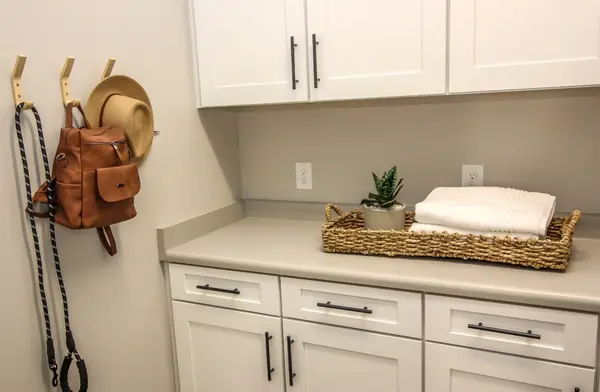
Fresh linens
Better lighting
One meaningful decorative item
This step signals completion and gives your brain closure.
Why This Works (And Why It Lasts)
A one-room reset changes how you experience your home.
It reduces mental clutter. It restores confidence. And it proves that organizing doesn’t have to be all-or-nothing.
Small, focused wins are how sustainable change happens.
If you want to maintain that momentum, simple daily habits can help keep clutter from building back up, which I share in The 10-Minute Tidy: Simple Habits to Stay Organized Every Day.
Final Thought
You don’t need a full-home overhaul to feel better in your space.
Start with one room. One afternoon. One clear intention.
Progress isn’t about how much you do — it’s about choosing what matters most and finishing it well.
If you’re ready to keep going, these posts will help you build on that momentum:
– Decision Fatigue and Clutter: How to Make Choices Easier
– How to Pace Yourself Without Losing Momentum
– What Stays, What Goes: A Simple System for Sorting Through Years of Belongings
– Organizing for the Life You Live Now (Not the One You Used to Have)
– Simplify Your Living Spaces: How to Create a Calm, Inviting Home
– The 10-Minute Tidy: Simple Habits to Stay Organized Every Day
Recent Posts