How Clutter Affects Relationships (and How to Create Shared Systems That Work)

How Clutter Affects Relationships (and How to Create Shared Systems That Work)
Clutter doesn’t just affect our homes — it affects our relationships.
It shows up as quiet frustration when one person feels overwhelmed and the other feels criticized. It shows up in arguments about “why this is still here” or “why you’re getting rid of things.” And often, it shows up as tension that isn’t really about stuff at all.
Whether it’s spouses, partners, or adult children helping parents, clutter can become a stand-in for deeper differences in communication, control, and emotional readiness.
The good news? With the right approach, organizing can actually reduce conflict — and even strengthen trust.
Why Clutter Creates Tension Between People
People experience clutter differently.
One person may see clutter as stressful and distracting. Another may see it as familiar, comforting, or practical. Neither is wrong — but when those perspectives collide in a shared space, friction is almost inevitable.
Clutter-related conflict often stems from:
-
Different tolerance levels for mess
-
Emotional attachment to belongings
-
Fear of change or loss
-
Feeling unheard or rushed
When organizing turns into pressure, people tend to dig in — not because they’re stubborn, but because they’re protecting something that matters to them.
That resistance is often tied to emotional overwhelm and decision fatigue — something I explore more in Decision Fatigue and Clutter: How to Make Choices Easier.
When Helping Feels Like Pushing
This is especially common when adult children help parents.
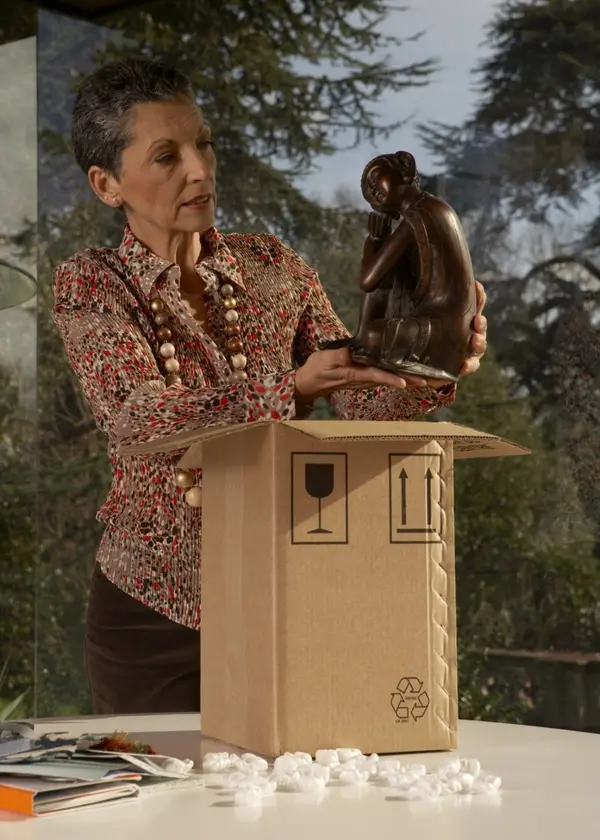
The intention is often loving: safety, simplicity, preparation for the future. But if organizing feels imposed, it can trigger defensiveness or grief — particularly when parents feel they’re losing control over their space or decisions.
The key difference is collaboration vs. correction.
And often, the process goes more smoothly when it’s paced with care instead of urgency, which I talk about in How to Pace Yourself Without Losing Momentum.
Shift from “Whose Stuff Is This?” to “How Do We Want to Live?”
Instead of focusing on individual items, shift the conversation to shared goals.
Helpful questions include:
-
How do we want this space to feel?
-
What would make daily life easier here?
-
Where do we feel most stressed right now?
When the goal is comfort, safety, or ease — not “getting rid of things” — alignment becomes easier.
This shift is also about aligning your space with your current stage of life, something I explore in Organizing for the Life You Live Now (Not the One You Used to Have).
Create Shared Systems, Not One-Sided Rules
The most successful organizing systems are the ones everyone understands and agrees to.
Try this:
-
Decide together where everyday items belong
-
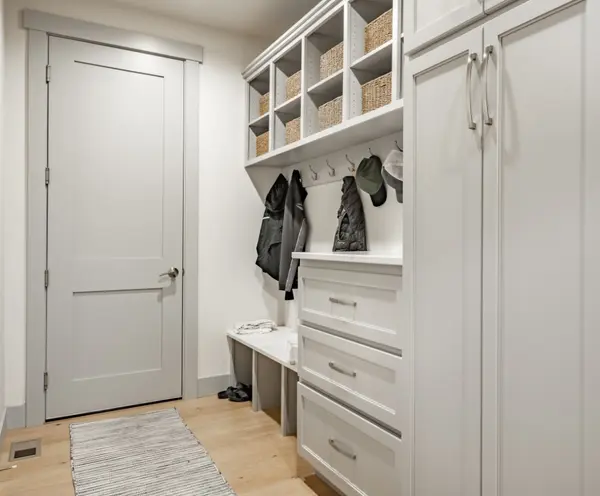
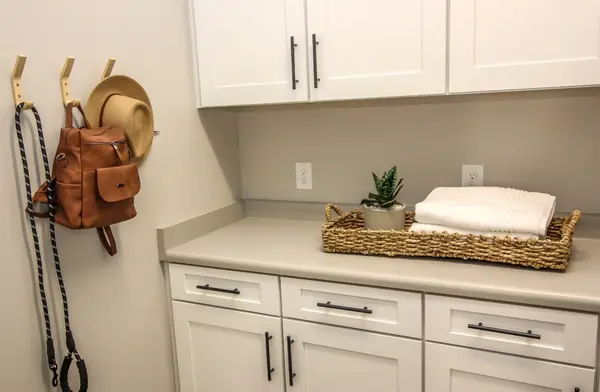
Set boundaries around shared spaces (like countertops or entryways)
-
Allow personal zones where individual preferences can remain untouched
A system only works if everyone feels respected by it.
Respect Different Timelines
Not everyone processes change at the same speed.
One person may be ready to declutter quickly. Another may need time to sit with decisions. That doesn’t mean progress isn’t happening — it just means it’s happening thoughtfully.
Pacing matters more than speed.
There’s no “correct” timeline for this process — something I talk about more in Letting Go Without Rushing: Why There’s No “Right Timeline” for Decluttering.
Progress Comes from Trust, Not Pressure
When people feel safe, they become more open.
When they feel rushed, they resist.
Organizing that strengthens relationships is rooted in listening, patience, and shared intention — not force.
And when that pressure is removed, the process often becomes calmer and more collaborative — aligning with a more peaceful approach to organizing, which I share in Organizing for Peace, Not Productivity.
Final Thought
Clutter doesn’t cause relationship tension — it reveals it.
When organizing is approached with empathy and collaboration, it becomes less about control and more about care. And when people feel heard and respected, the home becomes a place of cooperation instead of conflict.
Sometimes the most important thing you organize isn’t the space — it’s the way you move through it together.
If this resonates, these may help you navigate the process more smoothly:
– Decision Fatigue and Clutter: How to Make Choices Easier
– How to Pace Yourself Without Losing Momentum
– Letting Go Without Rushing: Why There’s No “Right Timeline” for Decluttering
– Organizing for the Life You Live Now (Not the One You Used to Have)
– Organizing for Peace, Not Productivity
Recent Posts