What to Do with “Just in Case” Items That Are Taking Over Your Home
What to Do with “Just in Case” Items That Are Taking Over Your Home
Almost every home has them.
The extra kitchen gadgets you might need someday.
The stack of boxes you’ve kept “just in case.”
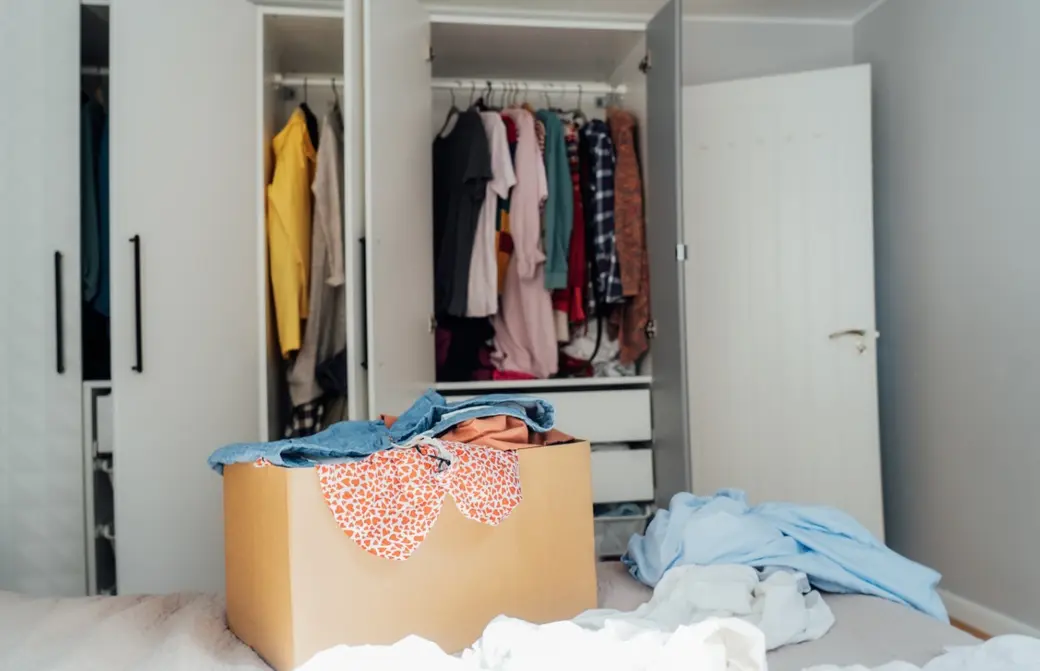
The clothes that no longer fit your life, but feel risky to let go of.
“Just in case” items tend to multiply quietly. They don’t look like clutter at first — they look like responsibility, preparedness, even wisdom. But over time, they take over closets, garages, and spare rooms… and they quietly take over mental space too.
If you’re feeling buried by things you’re afraid to let go of, you’re not alone.
Why We Hold Onto ‘Just in Case’ Items
Fear-based clutter usually isn’t about the item itself. It’s about what the item represents:
Fear of needing something later and not having it
Fear of wasting money
Fear of regret
Fear of change
For many people, especially those who’ve lived in their homes for a long time, these items feel like insurance policies. Letting them go can feel risky — even if you haven’t touched them in years.
But here’s the truth: most “just in case” items are tied to imagined futures, not real ones.
If you’ve ever wondered why certain things feel harder to let go of than others, there’s usually a deeper reason behind it — something I explore in What Your Clutter Is Trying to Tell You.
The Hidden Cost of Keeping Everything
Holding onto too much “just in case” clutter doesn’t just take up physical space. It creates:
Visual overwhelm
Decision fatigue
A constant feeling of being behind
Homes that feel crowded instead of calm
And ironically, the more clutter you keep for “security,” the less secure your home can feel.
That mental overload — especially the constant small decisions tied to your belongings — is a big part of why clutter feels so draining, something I break down further in Decision Fatigue and Clutter: How to Make Choices Easier.
How to Evaluate ‘Just in Case’ Items (Without Panic)
Instead of asking “What if I need this?” — which almost always leads to keeping everything — try these calmer, more grounded questions:
1. Have I Needed This in the Past 1–2 Years?
If the answer is no, that’s valuable information. Real needs tend to repeat themselves.
2. Could I Borrow, Rent, or Replace This If Needed?
Most things can be replaced far more easily than we imagine — often quickly and affordably.
3. Is This Item About Fear or Function?
Be honest. Is this serving your life today, or is it guarding against a hypothetical future?
This question becomes much easier when your home is aligned with how you actually live today — something I talk about in Organizing for the Life You Live Now (Not the One You Used to Have).
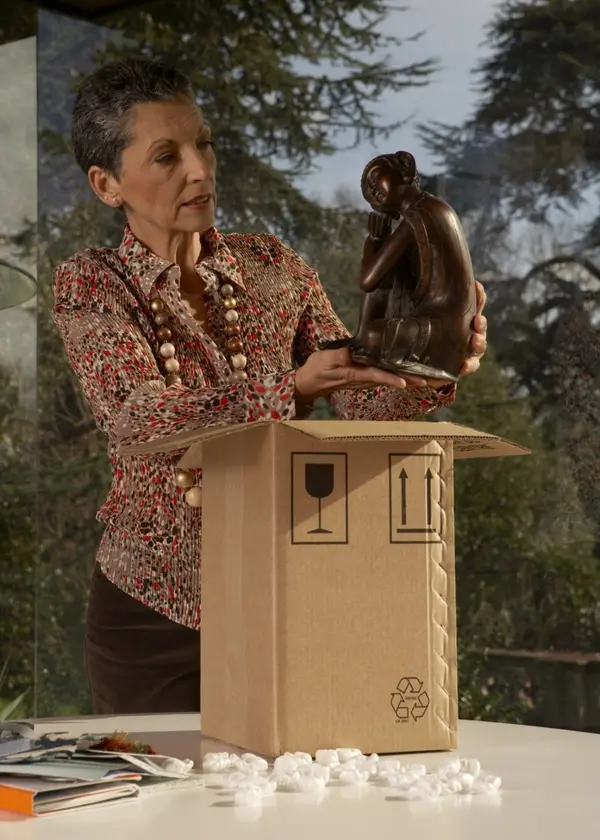
4. Would I Pack This If I Were Moving Tomorrow?
This question cuts through hesitation quickly. If it wouldn’t make the move, it may not deserve space now.
Thinking this way can also help you prepare more intentionally for future transitions, which I walk through in Decluttering Before Downsizing: How to Right-Size Your Belongings.
Create Boundaries Instead of Absolutes
You don’t have to get rid of all “just in case” items.
Try this instead:
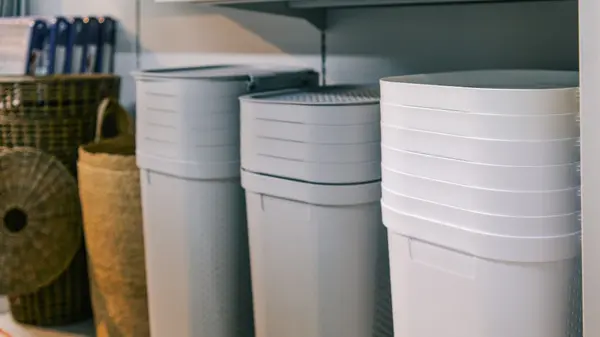
Designate one bin, shelf, or closet for them
Label it clearly
When the space is full, something must go before something new comes in
Boundaries create safety — and clarity.
This kind of simple structure often makes organizing feel calmer and more manageable, which I talk about in Organizing for Peace, Not Productivity.
Use Time as a Decision Tool
If you’re unsure, place questionable items in a box labeled “Revisit in 6 Months.”
Seal it. Date it. Put it out of sight.
If you don’t open it during that time, your answer becomes much clearer — without emotional pressure.
Giving yourself that kind of space is key to making decisions without overwhelm, something I explore in Letting Go Without Rushing: Why There’s No “Right Timeline” for Decluttering.
Confidence Grows with Practice
Letting go of fear-based clutter is a skill. The first few decisions are the hardest. But once you experience the relief — the lighter space, the easier mornings, the calmer rooms — confidence builds quickly.
You begin to trust yourself instead of your fears.
And if you’re unsure where to begin, starting with a small, contained space can help you build that confidence quickly, which I walk through in The One-Room Reset: How to Transform a Space in a Single Afternoon.
Final Thought
“Just in case” items often come from a desire to feel safe.
But safety doesn’t come from holding onto everything.
It comes from knowing you can adapt, solve problems, and trust yourself when the time comes.
Your home should support the life you’re living now — not the fears of what might happen someday.
And letting go of fear-based clutter is one of the most freeing steps you can take.
If this resonates, these posts will help you go further:
– What Your Clutter Is Trying to Tell You
– Decision Fatigue and Clutter: How to Make Choices Easier
– Organizing for the Life You Live Now (Not the One You Used to Have)
– Decluttering Before Downsizing: How to Right-Size Your Belongings
– Organizing for Peace, Not Productivity
– Letting Go Without Rushing: Why There’s No “Right Timeline” for Decluttering
– The One-Room Reset: How to Transform a Space in a Single Afternoon
Recent Posts