The Rooms We Keep for a Life We’re No Longer Living
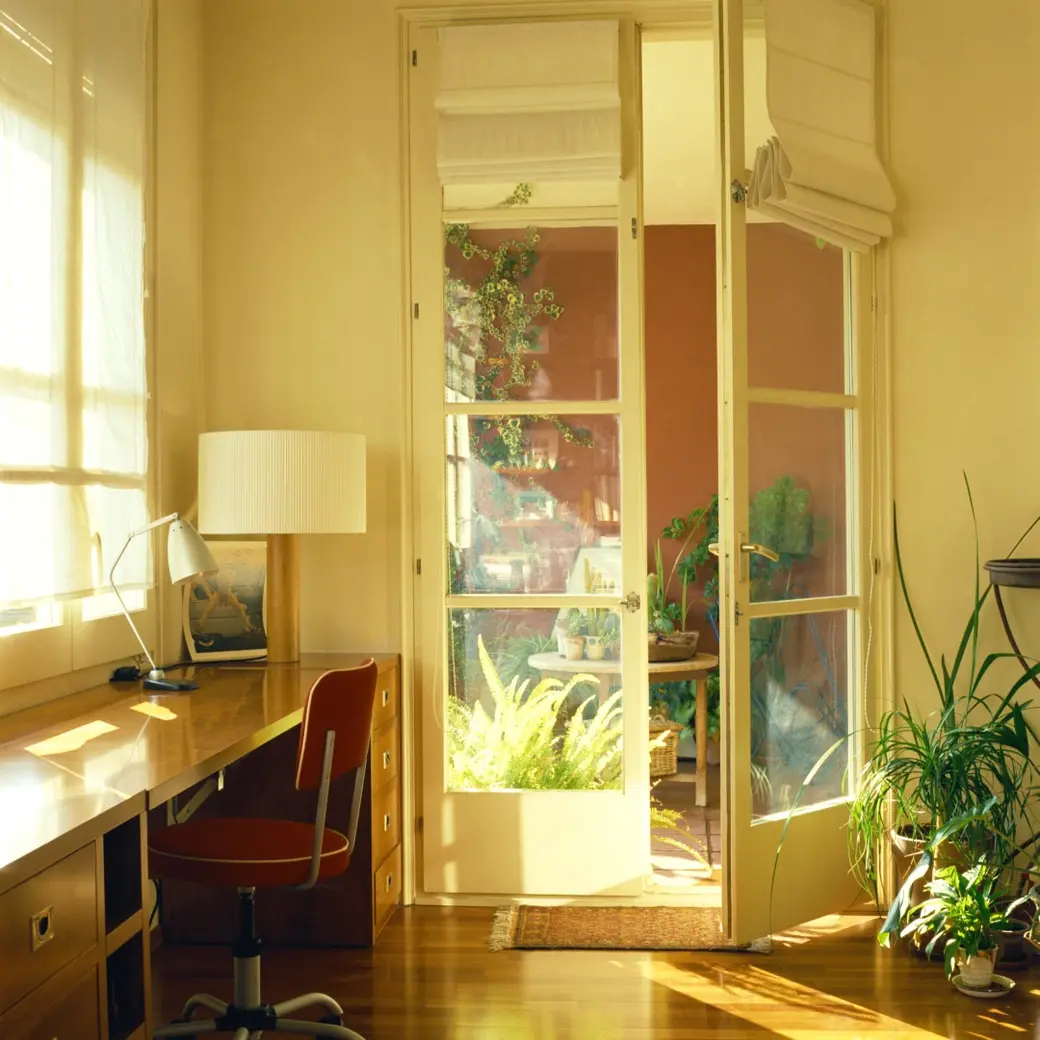
Is there a room in your house that belongs to your past?
Most of us probably have at least one room in our home that was designed for a life we're no longer living. It might be the formal dining room that gets used twice a year, the bedroom of an adult child who moved out years ago, the home office that hasn't really been an office since retirement, or the guest room waiting for guests who rarely come.
We tend to think of rooms as permanent. This is the dining room. That's the guest room. That's my son's room. But rooms don't actually know what they're supposed to be. We decided that, often many years ago, and we're allowed to decide something different now.
Your Home Has Changed Along With You
When you first moved into your home, every room probably had a purpose based on the life you were living at the time. Then life changed. Children grew up, jobs changed, relationships changed, hobbies came and went, and the way you spend your time evolved.
Sometimes our homes don't evolve along with us. They remain partially frozen in an earlier version of our lives because we've simply never stopped to reconsider how we're using the space.
This is something I talked about in Organizing for the Life You Live Now (Not the One You Used to Have). We often continue storing things for activities, identities and routines that no longer reflect who we are. The same thing can happen with an entire room.
The Bedroom That Still Belongs to Your Adult Child
This can be one of the hardest rooms to reconsider. Your child moves out, but somehow the room remains their room. Maybe they come home occasionally and you like knowing they have a place to stay. Maybe changing the room feels too final, as though you're closing the door on a part of your family life that you're not quite ready to leave behind.
There's absolutely nothing wrong with keeping a bedroom for an adult child if that's what you genuinely want. But there's also nothing wrong with allowing the room to evolve. It can still have a bed while also becoming your sewing room, exercise space, office, reading room, or a place for a hobby you've never had enough room to enjoy.
Changing the room doesn't erase the person who once lived there. It simply acknowledges that you live there now.
And if the room is also filled with belongings your adult child left behind, The Things You're Keeping for Other People is a good place to start. At some point, it's reasonable to decide how much of your home you're willing to devote to storing someone else's belongings.
Does the Formal Dining Room Still Make Sense?
Formal dining rooms made sense for the way many families once entertained. Maybe yours was filled with people every Thanksgiving, Christmas and Easter. Perhaps you hosted dinner parties or had everyone around the table for Sunday dinner.
But maybe that's not how you live anymore. Everyone gathers around the kitchen island now, holidays happen at someone else's house, or you'd get far more enjoyment from a library, music room, office, craft space or simply another comfortable place to sit.
Yet the dining room remains exactly as it has always been because, well, it's the dining room.
This is where it's worth asking yourself a very simple question: If I were designing my home around my life today, would I still use this room this way?
If the answer is no, that's worth paying attention to.
The Guest Room Waiting for Guests
A guest room can be wonderful, particularly if you regularly have people stay with you. But what if you have overnight guests a few nights a year—or once every couple of years?
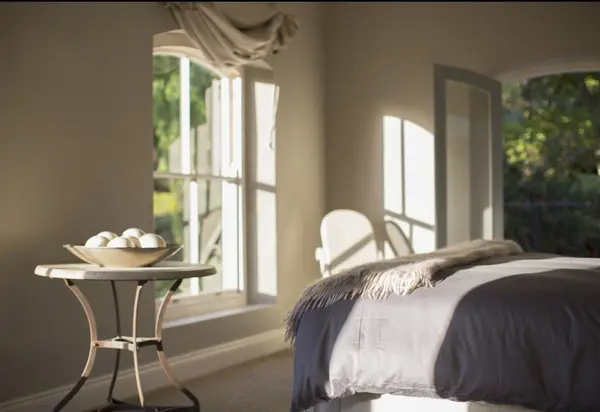
There's no rule saying a room has to sit mostly unused so that it can remain available for occasional visitors. A guest room can have more than one job. It can be an office with a sleeper sofa, a hobby room with a daybed, a quiet reading space that converts when someone visits, or an exercise room with a bed that folds away.
Your guests can still be comfortable without having exclusive use of valuable square footage 365 days a year. The people who live in the house every day are allowed to benefit from that space too.
Sometimes the Room Is Holding More Than Furniture
This is where the subject becomes more complicated, because a room isn't always just a room. Sometimes it's holding an identity.
It can represent the years when you were the parent with children at home, the person with the demanding career, the family who hosted every holiday, or the person who entertained frequently. Changing the room can feel like admitting that a chapter has ended, even when you know perfectly well that it has.
That's one reason Why Letting Go Feels Different at This Stage of Life is about more than getting rid of things. At a certain point, we're not simply deciding what to do with our belongings. We're deciding which parts of our past still need physical space in our present.
That can take time, and I don't think it needs to be rushed.
You Don't Have to Know What the Room Should Become
Sometimes we leave rooms untouched because we don't know what else to do with them. If you don't need the playroom anymore, what exactly is it supposed to become?
You don't have to know.
You can start by removing what clearly no longer belongs there and then live with the space for a while. See what you naturally want to use it for. You may discover that what you want most isn't another highly defined room at all.
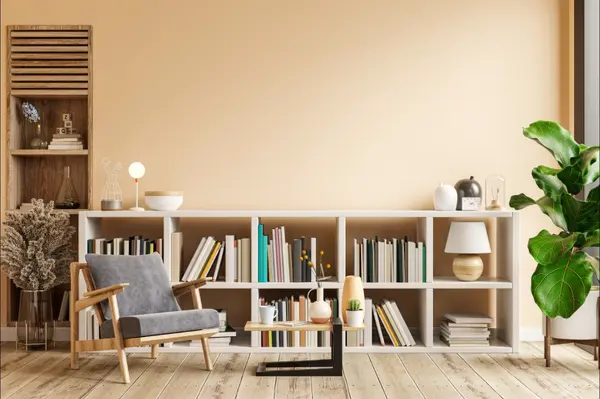
Maybe you'd simply like an uncluttered place to read, stretch, work on a puzzle, listen to music or sit by the window. Not every room needs an impressive purpose. Sometimes having space is the purpose.
What Would Make Your Life Better Now?
Instead of asking, What is this room supposed to be?, try asking, What would make my life better if I had space for it?
Maybe you've always wanted somewhere to paint. Maybe you would exercise more if you didn't have to move furniture first. Perhaps you'd love a comfortable chair where you could read without the television on, a place for the grandchildren to play when they visit, or a table where you could work on projects and leave them out overnight.
Or maybe you'd simply like one room that feels peaceful.
Your home should support the person living in it today. That's also the idea behind Home Should Be the Place That Gives You Energy. Your home shouldn't simply contain your life; ideally, it should make that life easier and more enjoyable.
You Don't Have to Redesign Everything
Changing the purpose of a room doesn't necessarily require renovating it or buying a roomful of new furniture. Start small. Move out something you no longer use, rearrange the furniture, clear a surface or finally open the closet that's been storing things from another chapter of your life.
Then bring in something connected to what you enjoy now and see how the room feels.
The One-Room Reset: How to Transform a Space in a Single Afternoon can be particularly helpful here. Sometimes you don't need an elaborate plan for a room. You just need to give yourself permission to start using it differently.
Your Current Home Can Teach You About Your Next One
There's another interesting benefit to reconsidering the rooms you no longer use: it can help you understand what you actually need from your next home.
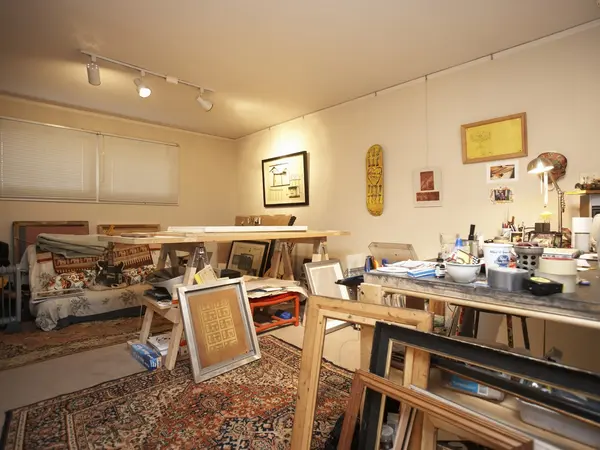
If you have three bedrooms but only truly use two, that's useful information. If the formal dining room has become your favorite reading room, perhaps a separate dining room isn't important in your next house. On the other hand, if your former guest room has become a studio you use every day, dedicated hobby space may be something you'd never want to give up.
As a Realtor, I see how easy it is to focus on the labels attached to rooms—the number of bedrooms, the formal dining room, the office, the finished basement. Those things certainly matter, but square footage is most valuable when it supports the way you actually live.
Looking at how you use your current home can tell you a surprising amount about what you'd want to do differently in the future.
Final Thought
Walk through your home sometime and look at each room with fresh eyes. Instead of asking what the room has always been, ask yourself: Does this room still deserve its original job?
Maybe the answer is yes. If you love having a formal dining room, keep it. If having a bedroom ready for your adult children makes you happy, keep it. There is no requirement to repurpose anything simply because your life has changed.
But if there's a room you rarely enter, rarely use, or maintain primarily because that's what it has always been, perhaps it's worth reconsidering.
Your home doesn't have to remain a museum of the life you once lived. It can change with you. And sometimes one of the nicest things you can give yourself is permission to use the space you already have for the life you're living now.
If this resonated, these posts may help you next:
Recent Posts