Why Your Organizing Systems Stop Working — And When to Change Them
Why Your Organizing Systems Stop Working — And When to Change Them
Maybe you’re not disorganized. Maybe your system stopped working.
You finally organized the kitchen.
Or the entryway.
Or the closet that had been driving you crazy for months.
Everything had a place. The system made sense. And for a while, it worked.
Then slowly, things started creeping back onto the counter. The basket began overflowing. The closet became difficult to manage again.
And you thought:
Why can't I keep this organized?
Here's another possibility:
Maybe the problem isn't you. Maybe the system no longer fits your life.
Organizing systems aren't meant to last forever. Our routines change. Our households change. Our priorities change.
Sometimes the smartest organizing decision isn't trying harder to maintain a system.
It's changing the system.
A Good System Should Make Life Easier
The purpose of organizing isn't to prove that you can keep everything perfectly in its place.
It's to make everyday life easier.
A good system should require relatively little thought.
You know where your keys go.
You know where the mail belongs.
You can put groceries away without rearranging a cabinet first.
When a system works, you barely notice it.
When it stops working, you notice it constantly.
Things pile up. Items don't get put away. You find yourself repeatedly cleaning the same area.
Before assuming you're simply "bad at staying organized," pay attention to where the friction is happening.
As I discussed in Why Some Rooms Stay Cluttered No Matter What You Do, recurring clutter is often useful information. Instead of asking why you can't keep a space organized, ask what isn't working about the space itself.
Your Life May Have Changed While Your System Didn't
A system that worked beautifully five years ago may make absolutely no sense today.
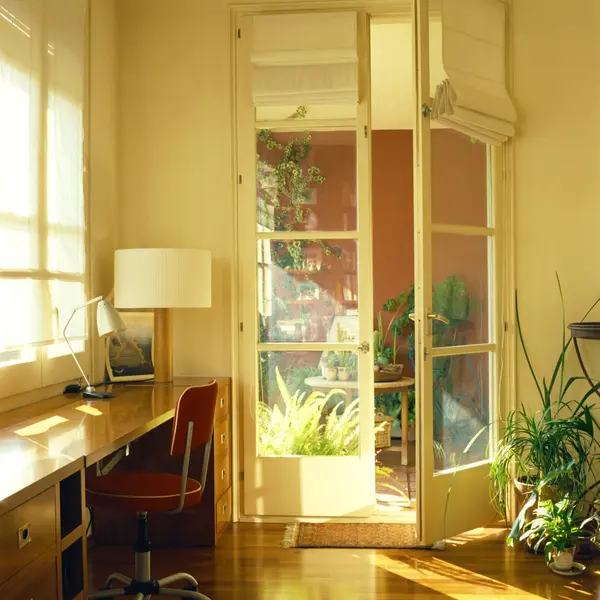
Maybe you work from home now.
Maybe the kids have moved out.
Maybe you're traveling more.
Maybe you cook differently.
Maybe you're no longer wearing professional clothes five days a week.
Maybe you simply have different priorities.
Our homes often continue operating according to routines that disappeared years ago.
That's why periodically looking at whether your home still reflects your current life is so important. It's something I explore more deeply in Organizing for the Life You Live Now (Not the One You Used to Have).
Your organizing systems should evolve right along with you.
Pay Attention to Where Things Naturally Land
Here's one of the easiest ways to identify a system that isn't working:
Look at where things actually end up.
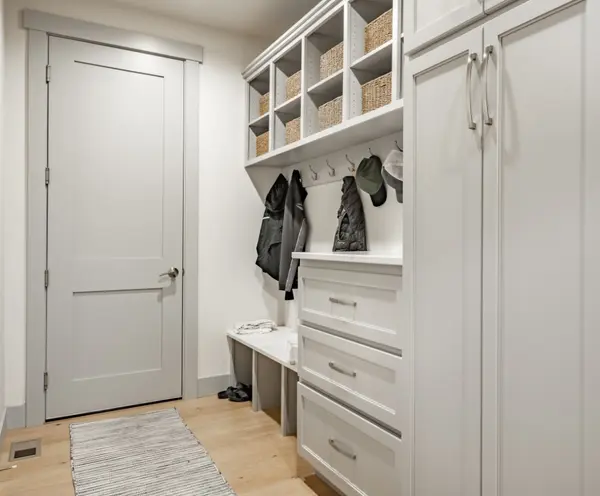
If everyone drops their keys on the kitchen counter instead of hanging them on the hooks across the room, maybe the hooks are in the wrong place.
If mail constantly piles up near the door, that's probably where your mail system belongs.
If shoes collect beside the sofa rather than inside the hall closet, there's information in that too.
Instead of fighting natural behavior, design around it.
The best organizing systems aren't the ones that look best.
They're the ones people actually use.
If Putting Something Away Takes Too Many Steps, You Probably Won't Do It
Sometimes we unintentionally make organization too complicated.
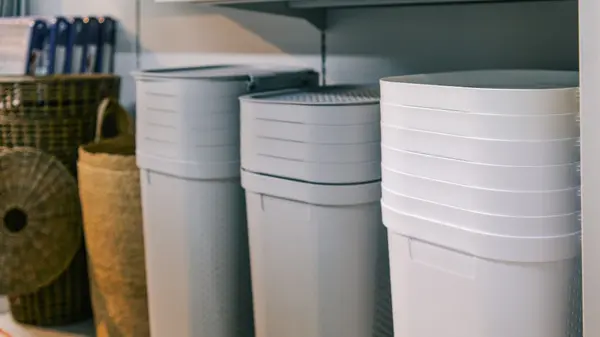
Open the closet.
Move a box.
Pull out a bin.
Remove the lid.
Put the item inside.
Replace the lid.
Put the bin back.
That's a lot of effort for something you use every day.
And eventually, that item is going to live on the counter.
Frequently used items should be easy to reach and easy to put away.
Save the complicated storage systems for things you rarely use.
This is also one way to reduce the mental effort your home requires. The fewer tiny decisions and unnecessary steps you encounter throughout the day, the easier it is to maintain order—something I talk about in Decision Fatigue and Clutter: How to Make Choices Easier.
Sometimes the System Isn't the Problem—There's Just Too Much
This one matters.
No organizing system can overcome unlimited belongings.
If a drawer comfortably holds twenty items and you're trying to fit forty inside, a better organizer probably isn't the solution.
The drawer isn't failing.
The system isn't failing.
There's simply too much for the available space.
Before buying another bin, basket, shelf, or storage unit, ask:
Would this system work if there were fewer things in it?
Sometimes removing excess solves the problem immediately.
That's one of the reasons I wrote The Hidden Cost of Keeping Too Much. The more we own, the more complicated even good organizing systems become.
Your System Should Fit Your Energy, Too
We tend to design organizing systems for our most motivated selves.
The version of us who will neatly fold everything.
File paperwork immediately.
Transfer pantry items into matching containers.
Carefully return every item to its designated spot.
But what happens on a busy Tuesday night when you're tired?
That's the system you actually need to design for.
Make everyday organization easy enough that you can maintain it when you're busy, distracted, or simply don't feel like organizing.
A basket you actually toss things into is better than an elaborate system you constantly avoid.
Know When to Change the System
A system probably needs adjusting when:
-
The same clutter repeatedly returns.
-
People in the household aren't using it.
-
Putting things away feels inconvenient.
-
You've changed how you use the room.
-
Storage is constantly overflowing.
-
Maintaining the system requires more effort than it saves.
You don't have to scrap everything.
Sometimes moving a basket six feet solves the problem.
Sometimes removing half the contents of a drawer solves it.
Sometimes you need an entirely different approach.
The goal isn't loyalty to the system.
The goal is a home that works.
Don't Organize for the Photograph
Beautifully organized spaces can be inspiring.
But your home isn't a photograph.
It's where you live.
The best system may not involve matching containers, color-coded labels, or perfectly folded towels.
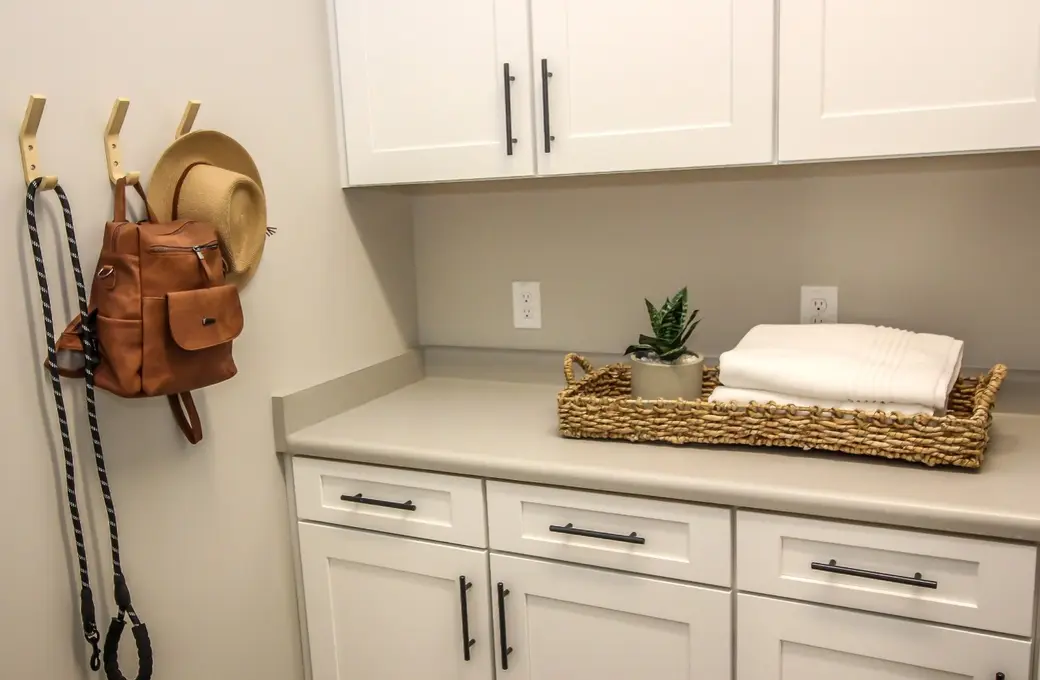
It might be an open basket because that's what you'll actually use.
It might be a hook instead of a hanger.
It might be an intentionally empty shelf because you don't need to fill every available inch.
That's part of the difference between creating a home that merely looks organized and one that actually feels good to live in—a distinction I explored in The Difference Between a Clean Home and a Clear Home.
Give Yourself Permission to Change What Isn't Working
There's no prize for maintaining an organizing system you've outgrown.
If something isn't working anymore, change it.
Move it.
Simplify it.
Get rid of it.
Start again.
Your home is supposed to adapt to you—not the other way around.
Final Thought
When clutter keeps returning, don't immediately assume you need more discipline.
Get curious instead.
Why does this keep happening here?
Maybe your habits changed.
Maybe your routine changed.
Maybe your household changed.
Maybe there's simply too much stuff.
Or maybe the solution that once worked beautifully has reached the end of its useful life.
That's okay.
A successful organizing system isn't one you maintain forever.
It's one that makes your life easier for as long as it serves you—and that you're willing to change when it doesn't.
Maybe you're not disorganized. Maybe your system stopped working.
If this resonated, these posts may help you next:
Recent Posts