The Stuff You Keep Moving From Room to Room
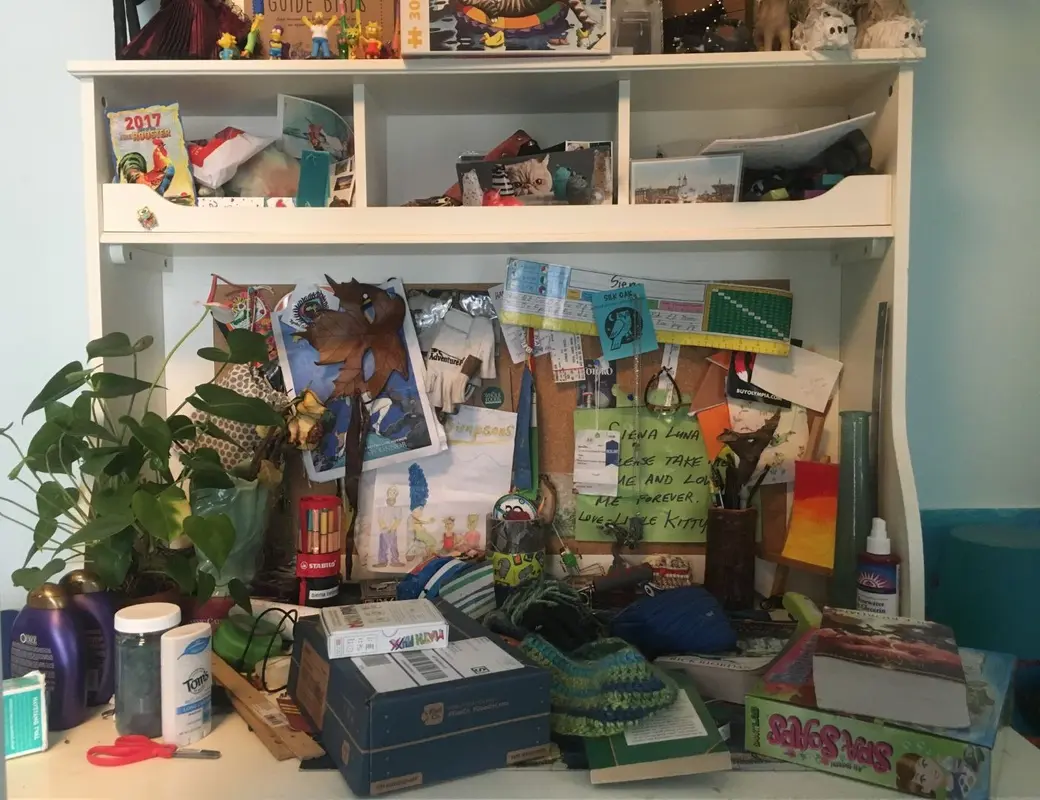
The Stuff You Keep Moving From Room to Room
There are always a few things that don’t seem to belong anywhere.
They sit on the counter for a while.
Then they move to the dining table.
Then to a chair.
Then maybe into a basket… for now.
You don’t get rid of them.
But you don’t quite put them away either.
So they travel.
From room to room.
From surface to surface.
From one “temporary” spot to another.
And over time, they become part of the background.
This Isn’t About Mess — It’s About Unfinished Decisions
Most people assume this happens because they haven’t organized enough.
But that’s not usually the reason.
Items move when a decision hasn’t been made yet:
- Where does this belong?
- Do I still need this?
- Should I keep it?
- What if I need it later?
Instead of deciding, the item stays in motion.
If this feels familiar, it’s often tied to the mental load of too many small decisions happening at once — something I break down in Decision Fatigue and Clutter: How to Make Choices Easier.
Why Certain Items Get “Stuck”
Not everything gets moved around like this.
It’s usually a specific category:
- Papers that need attention
- Items that belong to another room
- Things you’re unsure about keeping
- Objects tied to a future plan you haven’t committed to
These aren’t random.
They’re things your brain hasn’t fully processed yet.
That’s why they don’t settle.
If you’ve started noticing patterns like this, there’s usually a deeper message behind it — something I explore in What Your Clutter Is Trying to Tell You.
Clutter Circulates When There’s No Clear Home
One of the simplest reasons this happens:
There’s nowhere obvious for the item to go.
Even in organized homes, this can happen when:
- Storage is full
- Systems are unclear
- A room doesn’t have a defined purpose
Without a clear “home,” items default to movement.
They land wherever there’s space — and then move again later.
This is often the same reason certain rooms never stay organized, something I talk about in Why Some Rooms Stay Cluttered No Matter What You Do.
The Cost of Constant Movement
At first, it doesn’t seem like a big deal.
But over time, moving the same items again and again creates:
- Visual clutter
- Mental distraction
- A subtle sense of never being “done”
- Extra effort in your daily routines
Even if your home is relatively tidy, these floating items create friction.
And that friction adds up.
How to Break the Cycle (Without Overthinking It)
You don’t need to organize your entire home to fix this.
You just need to interrupt the pattern.
1. Gather the “Traveling Items”
Walk through your home and collect anything that’s been moved more than once.
Put it all in one place.
Seeing it together creates clarity instantly.
2. Make One Decision Per Item
Not a perfect decision. Just a clear one.
- Keep and assign a home
- Move it where it belongs
- Let it go
That’s it.
If something feels difficult to decide on, give yourself permission to pause without pressure — something I talk about in Letting Go Without Rushing: Why There’s No “Right Timeline” for Decluttering.
3. Create Simple Homes — Not Perfect Systems
Everyday items don’t need complicated storage.
They need:
- A consistent place
- Easy access
- Enough space to function
If putting something away feels difficult, the system is too complicated.
Simpler works better — something I explore in Simplify Your Living Spaces: How to Create a Calm, Inviting Home.
4. Start with One Space
If this feels overwhelming, don’t try to fix everything.
Choose one area:
- A kitchen counter
- A side table
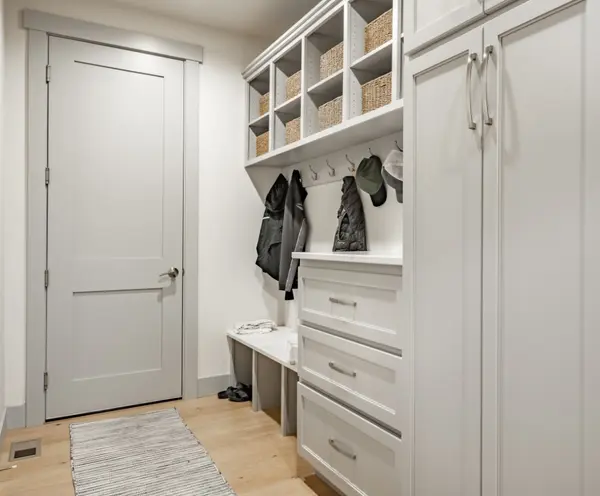
- An entryway
Reset just that space.
Small, contained wins create momentum, which I walk through in The One-Room Reset: How to Transform a Space in a Single Afternoon.
Why This Matters More Than It Seems
These small, floating items aren’t just about organization.
They’re about closure.
When things have a place, your brain relaxes.
When decisions are made, energy frees up.
When movement stops, your home starts to feel settled again.
Final Thought
The things you keep moving from room to room aren’t random.
They’re simply waiting for a decision.
And once you make it — even imperfectly —
they stop moving.
And your home starts to feel calmer, clearer, and easier to live in.
If this feels familiar, these posts can help you go further:
– Decision Fatigue and Clutter: How to Make Choices Easier
– What Your Clutter Is Trying to Tell You
– Why Some Rooms Stay Cluttered No Matter What You Do
– Letting Go Without Rushing: Why There’s No “Right Timeline” for Decluttering
– Simplify Your Living Spaces: How to Create a Calm, Inviting Home
– The One-Room Reset: How to Transform a Space in a Single Afternoon
Recent Posts