The “I’ll Deal with It Later” Pile — And Why It Grows
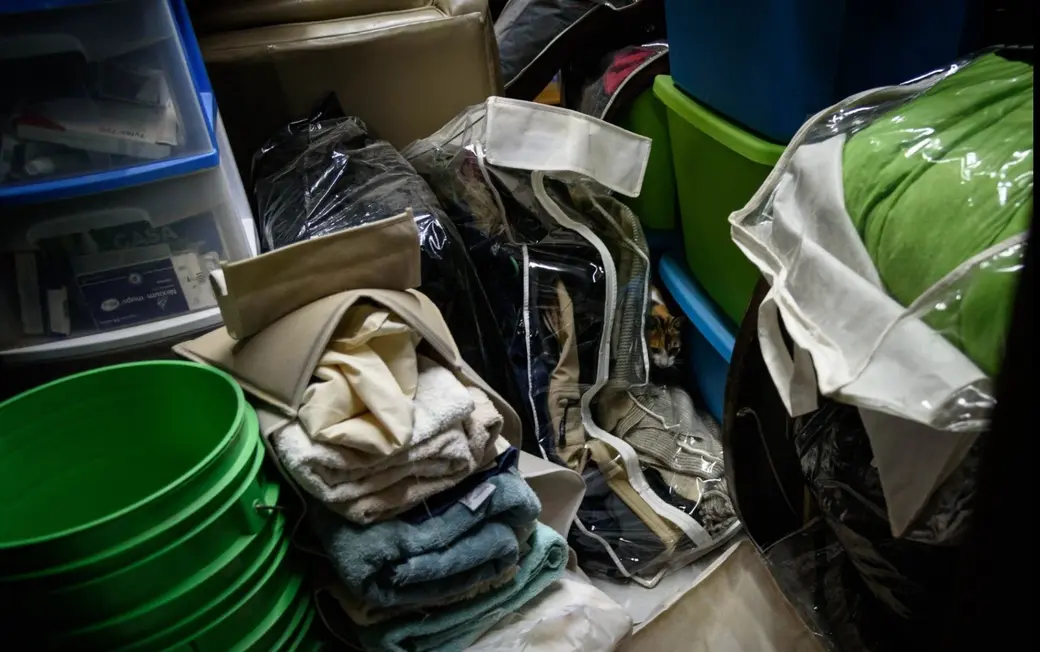
The “I’ll Deal With It Later” Pile — And Why It Grows
It usually starts small.
A piece of mail you don’t feel like opening.
Something that needs to be returned.
A paper you need to look at “when you have time.”
So you set it aside.
Just for now.
But “for now” has a way of turning into a stack.
And that stack quietly turns into a pile.
This Isn’t About Procrastination
Most people assume this pile exists because they’re putting things off.
But that’s not quite it.
The “I’ll deal with it later” pile is usually made up of items that require:
- A decision
- Time
- Energy
- Or a next step that isn’t immediately clear
So instead of finishing the task, your brain delays it.
Not out of laziness—but because it doesn’t have what it needs yet.
That’s why this pile feels heavier than it looks.
Every Item in the Pile Is an Open Loop
Each piece represents something unfinished:
- A decision you haven’t made
- A task you haven’t completed
- A question you haven’t answered
And your brain doesn’t ignore these.
It keeps track of them.
Even subconsciously.
That’s why this kind of clutter creates a low-level sense of stress—it’s not just visual, it’s mental.
If you’ve ever felt drained just looking at a small pile, that’s often the weight of too many open decisions at once, something I break down in Decision Fatigue and Clutter: How to Make Choices Easier.
Why the Pile Keeps Growing
Once the pile starts, it becomes the default place for anything unfinished.
New items get added because:
- “This belongs with the other things I need to deal with”
- “I’ll handle it all at once later”
- “I don’t have time right now”
But “later” rarely arrives in the way we expect.
So the pile grows.
Not dramatically—but steadily.
If you’ve noticed items moving from one surface to another without being resolved, this is often part of the same pattern, something I talk about in The Stuff You Keep Moving From Room to Room.
The Real Issue: There’s No Clear Next Step
Most items in this pile don’t have a defined action.
It’s not:
👉 Do this now
It’s:
👉 Figure this out later
And that “figure it out” step is where things stall.
Because it requires:
- Focus
- Time
- Mental energy
When those aren’t available, the item gets deferred again.
How to Break the Cycle (Without Overhauling Everything)
You don’t need to eliminate the pile completely.
You just need to change how it functions.
1. Rename the Pile
Instead of “I’ll deal with it later,” think:
👉 “Needs a decision”
👉 “Requires next step”
This small shift changes how you approach it.
2. Limit the Space
Give the pile a defined boundary:
- One tray
- One folder
- One small section of a counter
When the space fills up, it’s a signal—not to add more, but to process what’s already there.
Boundaries create clarity, something I talk about more in Organizing for Peace, Not Productivity.
3. Reduce the Decision Load
When you sit down to go through it, don’t overthink.
Each item only needs one outcome:
- Act on it
- File it
- Let it go
That’s it.
No deep organizing session required.
4. Start Smaller Than You Think
Don’t try to clear the whole pile.
Pick up 3–5 items.
Make decisions.
Stop.
Small, contained progress is what builds momentum, which I walk through in The One-Room Reset: How to Transform a Space in a Single Afternoon.
Why This Matters More Than It Seems
This isn’t just about a pile.
It’s about how unfinished decisions affect your space—and your mind.
When the pile shrinks:
- Your home feels lighter
- Your thinking becomes clearer
- Your energy returns
And that quiet background stress starts to fade.
Final Thought
The “I’ll deal with it later” pile isn’t a failure.
It’s a collection of things that needed more from you than you had in the moment.
And that’s okay.
You don’t need to clear it all at once.
You just need to start closing a few of those open loops.
Because once you do, the pile stops growing—and your home starts to feel more manageable again.
If this feels familiar, these posts can help you go further:
– Decision Fatigue and Clutter: How to Make Choices Easier
– The Stuff You Keep Moving From Room to Room
– Organizing for Peace, Not Productivity
– The One-Room Reset: How to Transform a Space in a Single Afternoon
Recent Posts