Why Some Rooms Stay Cluttered No Matter What You Do
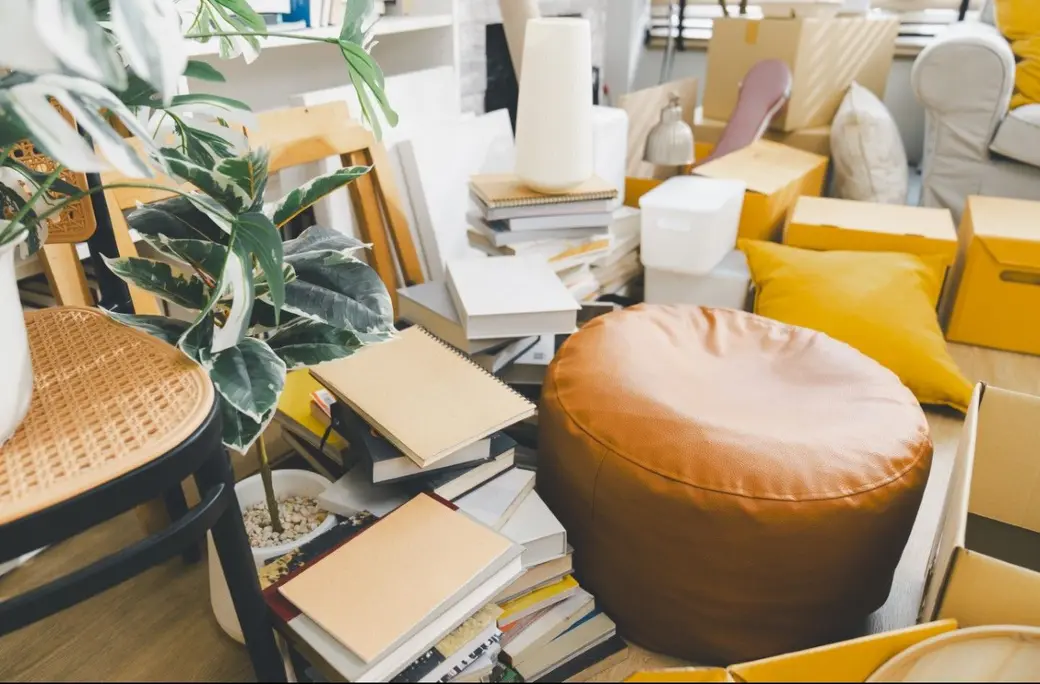
Why Some Rooms Stay Cluttered No Matter What You Do
There’s usually at least one.
A room that never quite stays organized.
No matter how many times you clean it, sort it, or try to reset it — the clutter comes back.
It might be the kitchen.
The spare bedroom.
The basement.
The corner of the living room where things quietly collect.
And after a while, it starts to feel frustrating. Even confusing.
Why does this keep happening?
The answer usually isn’t about effort.
It’s about function.
Clutter Returns When a Room Doesn’t Have a Clear Role
Most cluttered rooms aren’t messy by accident.
They’re undefined.
When a space is trying to serve too many purposes, it becomes a default landing zone for everything that doesn’t have a clear home.
A spare room becomes:
- Storage
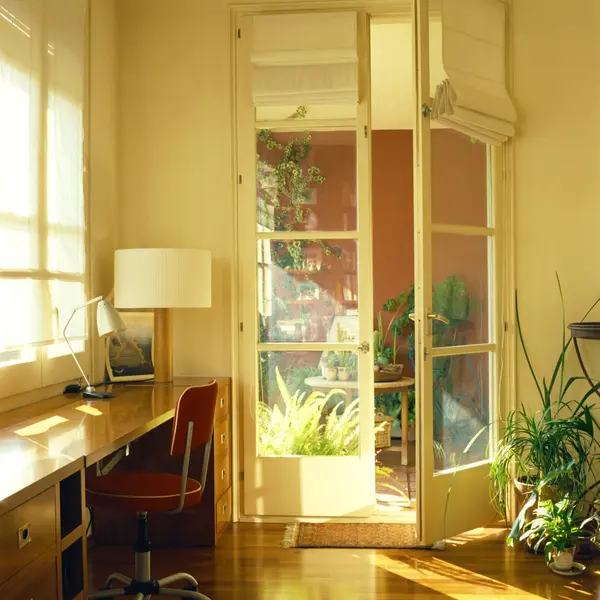
- A home office
- A place for overflow furniture
- A “temporary” holding space
And over time, temporary becomes permanent.
Without a clear purpose, decisions become harder — and clutter fills the gap.
It’s Not the Room — It’s the Decisions Inside It
When you walk into a room and feel stuck, it’s often because every item represents a decision:
Where should this go?
Do I still need this?
What if I need it later?
Multiply that by dozens (or hundreds) of items, and your brain starts to resist.
That’s decision fatigue — and it’s one of the biggest reasons clutter returns, something I break down further in Decision Fatigue and Clutter: How to Make Choices Easier.
Some Rooms Hold More Than Just Things
Certain spaces carry more weight than others.
A guest room might represent:
- Family visits that happen less often
- A version of life that’s changed
A basement or storage room might hold:
- Old projects
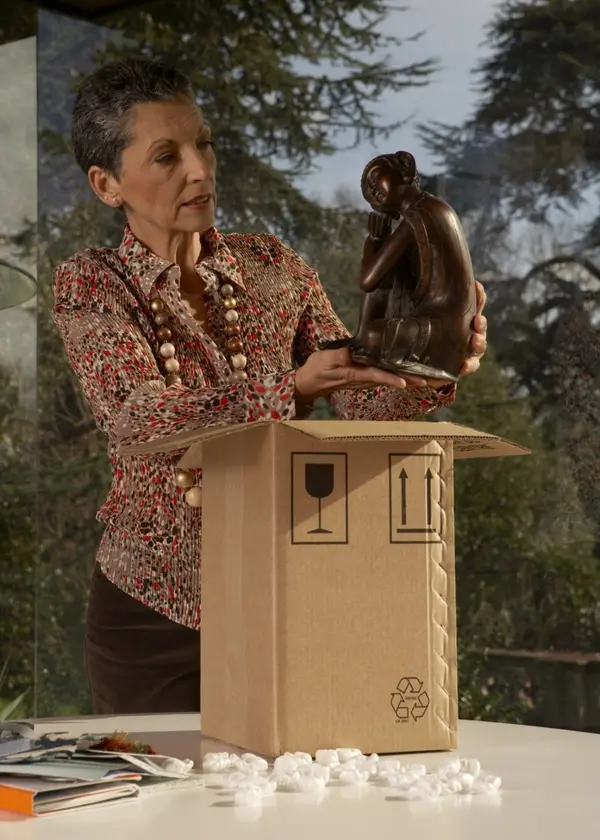
- Boxes you haven’t revisited in years
- Things you’re not sure how to let go of
These rooms don’t stay cluttered because you don’t care.
They stay cluttered because they hold decisions you haven’t fully processed yet.
If you’ve started to feel like your home doesn’t quite fit the way it used to, that awareness is often part of a larger shift, something I explore in Why Your Home Feels Different Lately (Even If Nothing Changed).
Clutter Builds Where Systems Don’t Exist
Even high-functioning spaces can fall apart without simple systems.
Common patterns:
- No defined place for everyday items
- Surfaces becoming drop zones
- Storage areas that are too full to function
When things don’t have a clear place to go, they end up everywhere.
And once that pattern starts, it repeats.
If you’ve noticed items constantly moving from one space to another, there’s usually a reason behind it — something I talk about in What Your Clutter Is Trying to Tell You.
The Fix Isn’t More Organizing — It’s More Clarity
This is where most people go wrong.
They try to:
- Buy more storage
- Rearrange repeatedly
- “Tidy up” the same space again
But without clarity, the clutter comes back.
Instead, try this:
1. Define the Room’s Purpose
Ask:
What is this room actually for now?
Not what it used to be.
Not what it “should” be.
What you need it to support today.
2. Remove What Doesn’t Belong to That Purpose
If it doesn’t support the room’s function, it doesn’t need to stay there.
This is where many decisions become easier.
3. Keep It Simple
You don’t need complicated systems.
You need:
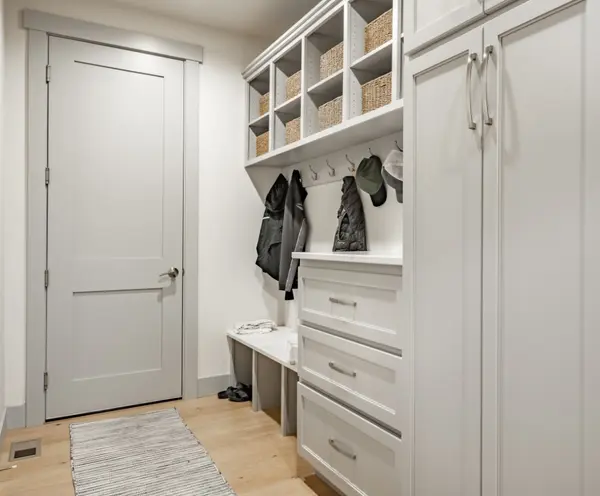
- Clear surfaces
- Logical groupings
- Easy access to what you use
If you want a simple way to reset a space without overthinking it, focusing on one room at a time can make a big difference, which I walk through in The One-Room Reset: How to Transform a Space in a Single Afternoon.
Why This Matters More Than You Think
A consistently cluttered room does more than affect your home visually.
It:
- Drains energy
- Creates low-level stress
- Makes your home feel harder to manage
But when even one space starts to function well, it creates momentum.
And that momentum spreads.
Final Thought
If a room keeps returning to clutter, it’s not because you’re doing something wrong.
It’s because the space is trying to function without clear direction.
Give it a purpose.
Make a few decisions.
Keep it simple.
And you’ll find that the clutter doesn’t come back the same way.
If this sounds familiar, these posts can help you go deeper:
– Decision Fatigue and Clutter: How to Make Choices Easier
– Why Your Home Feels Different Lately (Even If Nothing Changed)
– What Your Clutter Is Trying to Tell You
– The One-Room Reset: How to Transform a Space in a Single Afternoon
Recent Posts