The Hidden Cost of Keeping Too Much
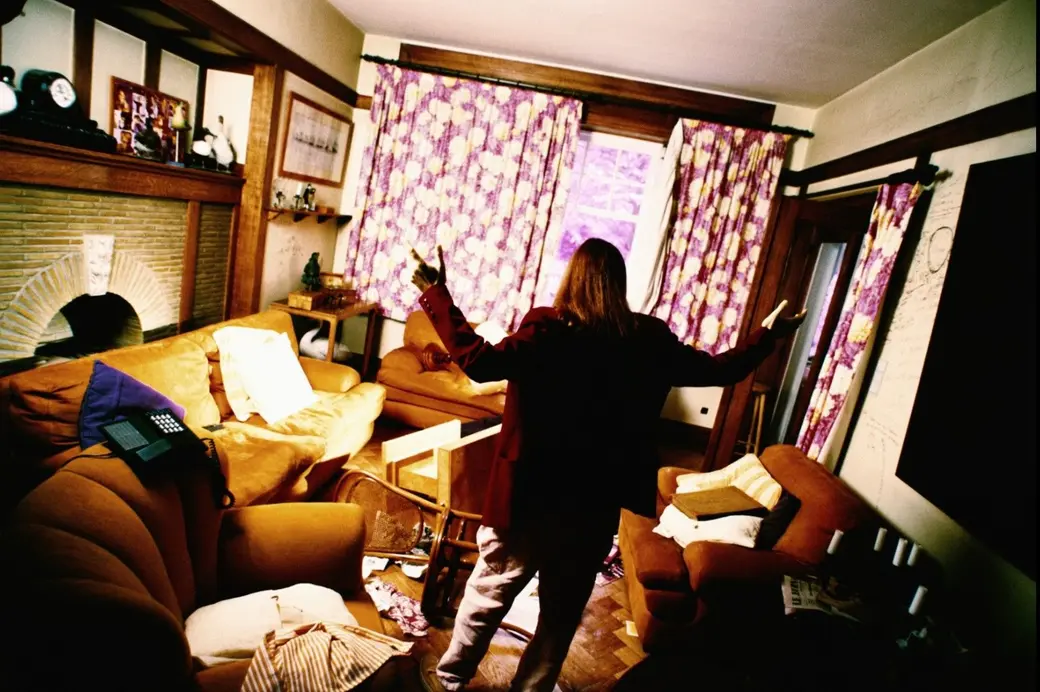
The Hidden Cost of Keeping Too Much
Most clutter doesn’t arrive all at once.
It builds slowly. Quietly.
A few extra things in the closet.
Overflow in the cabinets.
Boxes pushed to the back of a room because “there’s nowhere else to put them right now.”
At first, it doesn’t feel like a problem.
But over time, keeping too much starts to cost more than we realize.
And not financially.
The Cost Isn’t Just Physical — It’s Mental
Every item in your home requires something from you.
Attention.
Maintenance.
Decisions.
Energy.
The more excess we keep, the more our homes quietly ask of us.
You may notice:
- Feeling mentally tired in cluttered spaces
- Avoiding certain rooms or projects
- Feeling behind, even when you’ve been productive
That’s because clutter doesn’t just take up space. It competes for your attention.
If you’ve ever felt overwhelmed by the number of small decisions tied to your belongings, you’re not imagining it — something I explore more deeply in Decision Fatigue and Clutter: How to Make Choices Easier.
Too Much Stuff Creates Invisible Stress
Many people stop noticing clutter visually after a while.
But your nervous system still notices it.
Overfilled surfaces, crowded rooms, and closets packed beyond capacity create subtle tension in the background of everyday life.
It can show up as:
- Difficulty relaxing
- Trouble focusing
- Feeling restless at home
- Constant low-level irritation
And often, we don’t connect those feelings to our environment at all.
If your home has started to feel different lately — heavier, less calming, harder to manage — that awareness is often the first sign that something needs to shift, something I talk about in Why Your Home Feels Different Lately (Even If Nothing Changed).
Keeping Too Much Makes Everything Harder
The more excess we keep, the harder basic tasks become.
Cleaning takes longer.
Finding things becomes frustrating.
Rooms lose their function.
Even organizing becomes more difficult because there’s simply too much to manage at once.
That’s often why certain spaces never seem to stay organized, no matter how many times you reset them — something I explore in Why Some Rooms Stay Cluttered No Matter What You Do.
Sometimes We Keep Things Out of Fear
A lot of clutter isn’t about carelessness.
It’s about fear.
Fear of:
- Needing something later
- Wasting money
- Letting go of a past version of life
- Making the wrong decision
So we keep things “just in case.”
But over time, those items begin to take up more than physical space. They take up emotional space too.
If this feels familiar, you’re not alone — and there are gentler ways to approach those decisions, which I talk about in What to Do with “Just in Case” Items That Are Taking Over Your Home.
A Full Home Can Make Life Feel Smaller
This is the part people don’t expect.
The more crowded a home becomes, the smaller life can start to feel.
Not physically — emotionally.
There’s less ease.
Less flexibility.
Less room to think clearly or move comfortably through the day.
And sometimes, the sheer amount of “stuff” becomes so normal that you don’t realize how much energy it’s taking until something changes.
Letting Go Creates More Than Space
People often think decluttering is about having less.
But usually, it’s about gaining something else:
- Easier mornings
- Calmer rooms
- More breathing space
- Less visual noise
- A greater sense of control
The relief people feel after simplifying is rarely about the items themselves.
It’s about how much lighter life feels afterward.
And often, the process becomes easier once you stop trying to organize everything at once and focus on one manageable area instead, which I walk through in The One-Room Reset: How to Transform a Space in a Single Afternoon.
You Don’t Need to Get Rid of Everything
This isn’t about minimalism.
It’s not about empty shelves or perfectly styled rooms.
It’s about making sure what you keep still supports your life now.
That question alone changes everything:
👉 Does this still support the way I live today?
If not, it may be costing you more energy than you realize.
This shift is often part of recognizing that your home should evolve with you — something I explore in Organizing for the Life You Live Now (Not the One You Used to Have).
Final Thought
The hidden cost of keeping too much isn’t just clutter.
It’s the weight of:
- unfinished decisions
- visual overload
- constant mental reminders
- spaces that no longer support you well
And the good news is, you don’t have to change everything to feel relief.
Sometimes removing just a little excess creates more peace than you expected.
If this resonated, these posts may help you next:
– Decision Fatigue and Clutter: How to Make Choices Easier
– Why Your Home Feels Different Lately (Even If Nothing Changed)
– Why Some Rooms Stay Cluttered No Matter What You Do
– What to Do with “Just in Case” Items That Are Taking Over Your Home
– The One-Room Reset: How to Transform a Space in a Single Afternoon
– Organizing for the Life You Live Now (Not the One You Used to Have)
Recent Posts