The One Decision That Makes Everything Else Easier
The Decision: What Does This Space Need to Support?
Before you sort.
Before you organize.
Before you buy anything.
Ask one simple question:
👉 What is this space actually for now?
Not what it used to be.
Not what you think it should be.
What it needs to support in your life today.
Why This Changes Everything
When a space doesn’t have a clear purpose, every decision becomes harder.
You’re trying to:
- Keep everything
- Use the space for multiple things
- Make items fit without a clear priority
And that’s when clutter builds.
If you’ve ever felt like a room just doesn’t stay organized no matter what you do, it’s often because the purpose isn’t clearly defined—something I talk about in Why Some Rooms Stay Cluttered No Matter What You Do.
Without This Decision, You Stay Stuck
Most organizing frustration comes from trying to decide what to do with things before deciding what the space is for.
So you end up:
- Moving things around
- Reorganizing the same areas
- Starting but not finishing
It’s the same pattern that shows up when items don’t have a clear place to belong, something I explore in The Stuff You Keep Moving From Room to Room.
Clarity Reduces Decision Fatigue
Once you define the purpose of a space, something shifts.
Decisions become easier because you have a filter:
👉 Does this support the purpose of this room?
If yes → it stays
If no → it goes somewhere else or leaves entirely
That’s how you reduce the number of decisions your brain has to make.
And fewer decisions means less overwhelm—something I break down further in Decision Fatigue and Clutter: How to Make Choices Easier.
Examples of This in Real Life
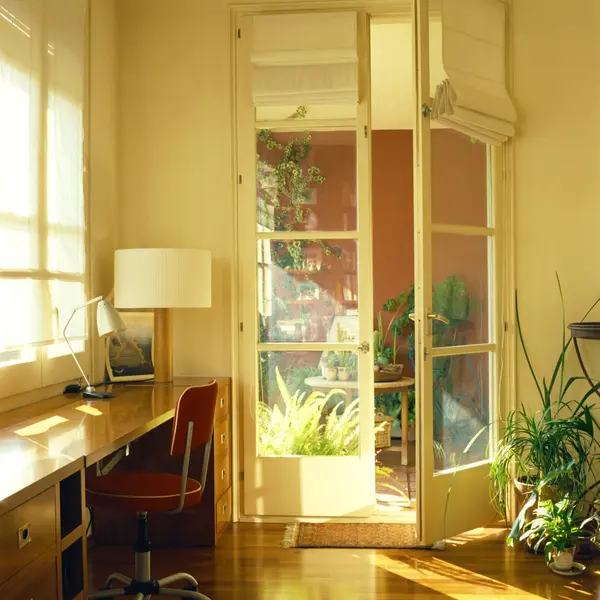
A guest room becomes:
👉 A quiet office + occasional guest space
A kitchen becomes:
👉 A place for easy, everyday meals (not storage overflow)
A living room becomes:
👉 A space for relaxing—not holding everything that doesn’t fit elsewhere
When the purpose is clear, the room starts to support you instead of work against you.
You Don’t Need Perfect — You Need Clear
This is where people get stuck.
They try to:
- Design the perfect system
- Organize everything at once
- Get it exactly right
But none of that matters if the purpose isn’t clear.
Simple works better.
If the space functions well, you’ve already succeeded.
This is the foundation of creating a home that feels calm and supportive, something I explore in Simplify Your Living Spaces: How to Create a Calm, Inviting Home.
Start Small
You don’t need to define your entire home today.
Pick one space:
- A counter
- A drawer
- A small room
Ask the question.
Make a few decisions based on that answer.
If you want a simple way to apply this quickly, focusing on one contained area can make a big impact, which I walk through in The One-Room Reset: How to Transform a Space in a Single Afternoon.
Why This Matters More Than It Seems
This one decision:
- Reduces overwhelm
- Speeds up organizing
- Helps you finish what you start
- Makes your home easier to maintain
It’s not about doing more.
It’s about deciding first.
Final Thought
Organizing doesn’t have to be complicated.
Most of the difficulty comes from trying to solve everything at once.
But when you start with one clear decision—
What does this space need to support?
Everything else becomes easier.
If this resonates, these posts can help you go further:
– Why Some Rooms Stay Cluttered No Matter What You Do
– The Stuff You Keep Moving From Room to Room
– Decision Fatigue and Clutter: How to Make Choices Easier
– Simplify Your Living Spaces: How to Create a Calm, Inviting Home
– The One-Room Reset: How to Transform a Space in a Single Afternoon
Recent Posts